






Manage your media channels professionally and efficiently. Real-time and automatic reporting system.



Synchronize and automate all your business in the cloud. Save time and effort, enjoy great vacations.

Access advanced order types including limit, market, stop limit and dollar cost averaging. Track your total asset holdings, values and equity over time. Monitor markets, manage your portfolio, and trade crypto on the go.


Happy Clients

Discover powerful features to boost your productivity. You are always welcome to visit our little den. Professional in their craft! All products were super amazing with strong attention to details, comps and overall vibe.
Discover powerful features to boost your productivity. You are always welcome to visit our little den. Professional in their craft! All products were super amazing with strong attention to details, comps and overall vibe

Discover powerful features to boost your productivity. You are always welcome to visit our little den. Professional in their craft! All products were super amazing with strong attention to details, comps and overall vibe.

Discover powerful features to boost your productivity. You are always welcome to visit our little den. Professional in their craft! All products were super amazing with strong attention to details, comps and overall vibe.

Discover powerful features to boost your productivity. You are always welcome to visit our little den. Professional in their craft! All products were super amazing with strong attention to details, comps and overall vibe.

Discover powerful features to boost your productivity. You are always welcome to visit our little den. Professional in their craft! All products were super amazing with strong attention to details, comps and overall vibe.
We helped these brands turn online assessments into success stories. Join them. Elevate your testing.


Collaborate, plan projects and manage resources with powerful features that your whole team can use. The latest news, tips and advice to help you run your business with less fuss.
Feeling inquisitive? Have a read through some of our FAQs or contact our supporters for help
Dropshipping is an order fulfillment method used in eCommerce. In this model, you sell products through your online store without purchasing or storing inventory. When a customer places an order, you forward the order details to a supplier who then ships the product directly to the customer. Your revenue is the difference between the price the customer pays and the cost you pay the supplier.
Dropshipping can be profitable, but profitability depends on several factors including your product selection, pricing strategy, marketing effectiveness, and supplier costs. Margins are typically lower than traditional wholesale models because you purchase items individually rather than in bulk. Many store owners succeed by focusing on niche products, building trust with customers, and carefully managing expenses. There is no guaranteed income, and results vary significantly from one business to another.
Starting a dropshipping business typically requires far less upfront capital than traditional retail since you don’t need to purchase inventory in advance. That said, it’s important to budget for essential expenses such as a domain name, an ecommerce platform subscription (usually around $20–$40 per month), marketing campaigns, and sample orders to evaluate suppliers. A practical starting budget generally falls between $200 and $500. Keep in mind that ongoing marketing and advertising will be your largest recurring costs, and beginning with a very small budget can significantly limit your ability to reach and convert customers effectively.
The time it takes to make your first sale can vary greatly. Some new store owners see results within days of launching, while others may wait weeks or even months. Key factors include your marketing strategy, advertising budget, product demand, and the effort you invest in driving traffic. Success rarely happens overnight. Most entrepreneurs achieve better outcomes after experimenting with different products, improving their store design, and discovering what truly resonates with their audience.
Yes, many people start dropshipping as a part-time venture alongside a full-time job or other commitments. However, part-time operation still requires consistent effort. You will need to dedicate several hours per week to customer service, order processing, supplier communication, and marketing. Tasks such as product research and store updates can be scheduled around your availability. Be realistic about how much time you can commit, as stores with limited attention often grow more slowly.
Beginners often find success in niches that balance demand with manageable competition. Examples include home office accessories, pet supplies, fitness equipment for home use, gardening tools, and eco-friendly household products. Look for product categories that interest you personally and have reliable suppliers. Avoid overly saturated markets like fashion or phone cases unless you have a unique angle. The best niche for you is one where you can offer clear value, write honest product descriptions, and build trust with customers.
OverHaul provides educational resources, supplier vetting guidance, and store setup assistance to help you make informed decisions. We do not guarantee sales or profits. Our role is to offer tools and knowledge so you can build your dropshipping business with confidence. Any revenue or profit you generate belongs entirely to you after paying supplier costs and platform fees. We believe in transparency and encourage every store owner to conduct their own research alongside our guidance.

Aliquam a augue suscipit, luctus neque purus ipsum neque dolor primis a libero tempus

Aliquam a augue suscipit, luctus neque purus ipsum neque dolor primis a libero tempus

Aliquam a augue suscipit, luctus neque purus ipsum neque dolor primis a libero tempus
Aenean velit nisl, aliquam eget diam eu, rhoncus tristique dolor. Aenean vulputate sodales urna ut vestibulum

A step-by-step guide to starting a dropshipping business in 2026. Learn how to set up your store, find suppliers, and la...

An honest look at dropshipping benefits and challenges. Learn the real pros and cons before starting your online store i...
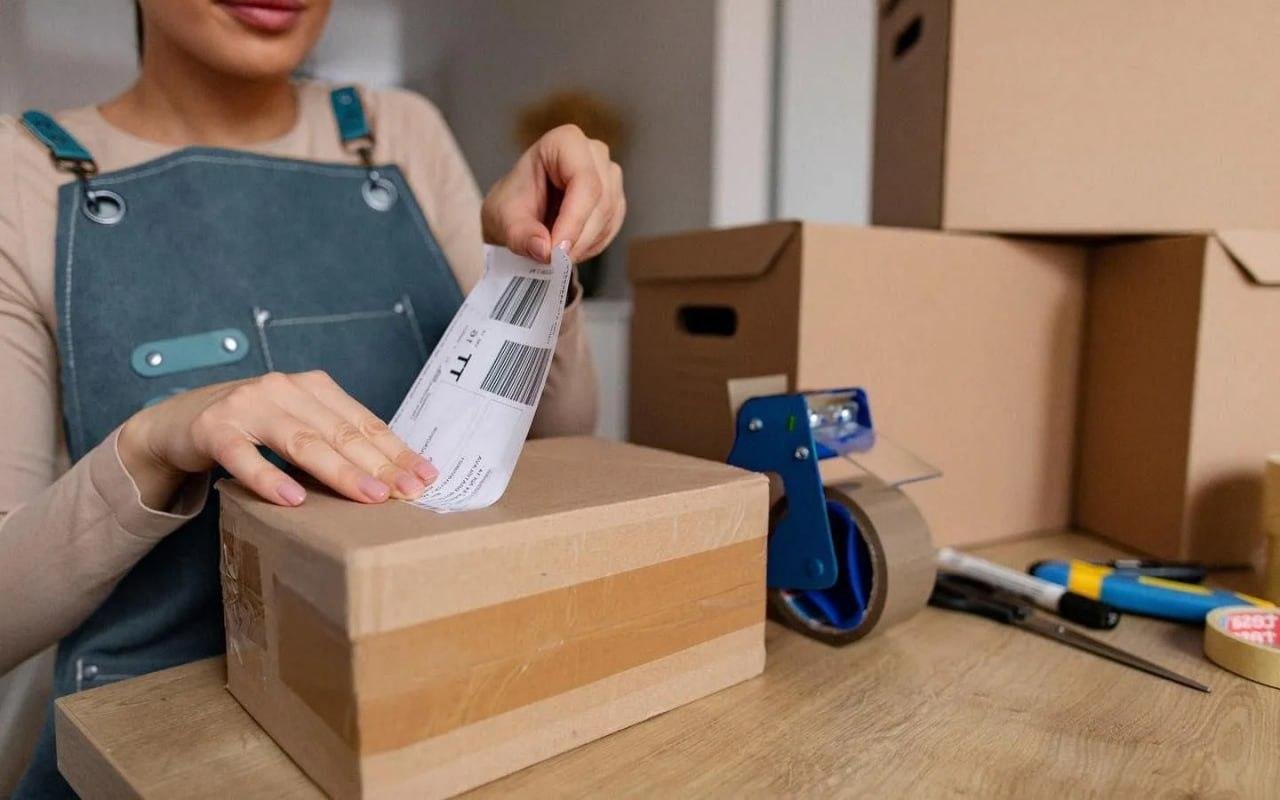
What is dropshipping, and how does it work in 2026? Learn the pros, cons, and key factors for success. A practical guide...
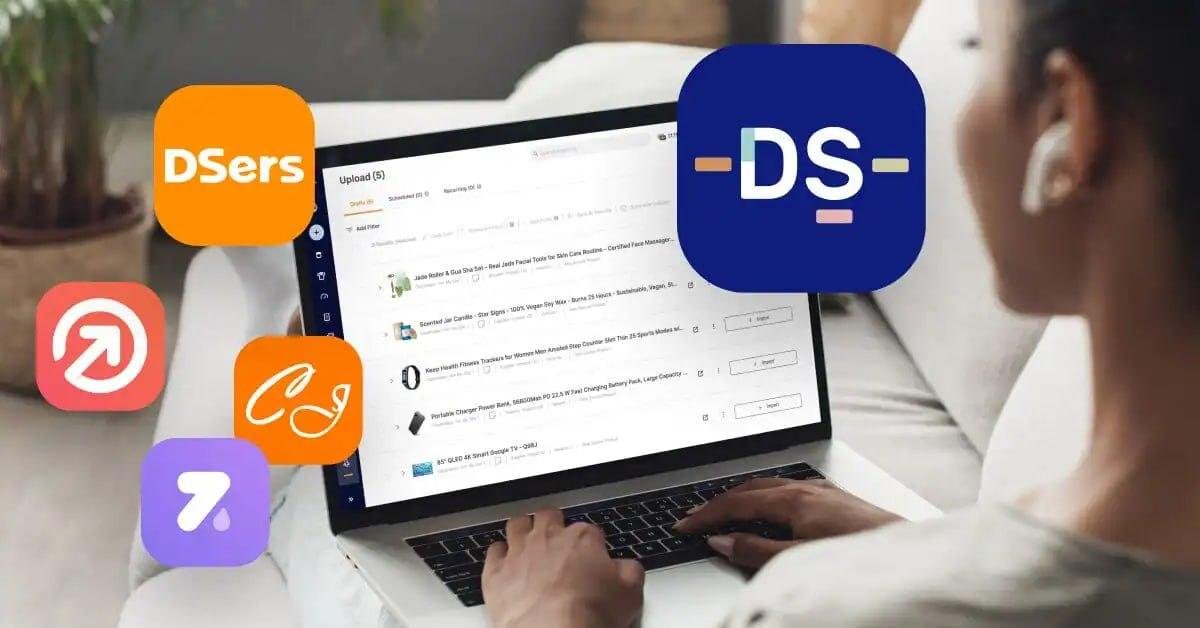
Compare AutoDS, CJ Dropshipping, DSers, Zendrop, and Importify to find the best product importer for your dropshipping s...
By clicking the button, you are agreeing with our Term & Conditions